Article

4 Posts
Plantes exotiques
publication
1Min Read
Article 3 months ago

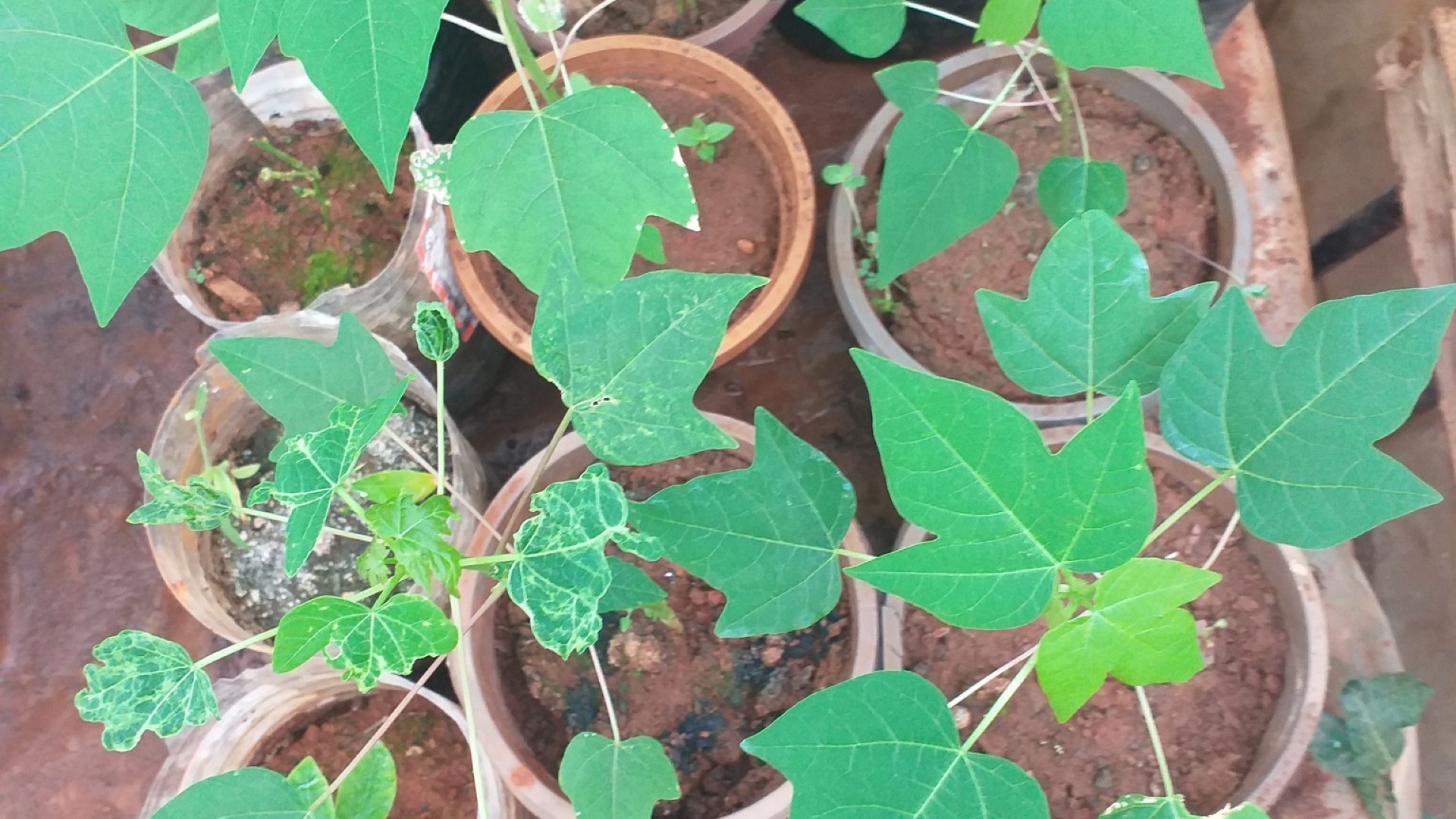
multiplication de quelques plantes exotiques au niveau du siège de l'ANN a cinq maison , parmi celle ci et dans l 'ordre: 1- callistemon citrinus ; 2- papaya carica ; 3- citrus limon (citronier nain) ; 4-argania spinosa ; 5- citrus trifoliata ; 6- dodonea viscosa ; 7- moringa oleifera. les pourcentages de levée ou de réussite varie d'une espèce a l 'autre de 40 a 90 % , a titre d'exemple: callistemon citrinus ......90 % papaya carica .................60 % citrus limon .....................40 %

Ad
Admin User
Read More
Mobilizing primary biodiversity data for Mozambican species of conservation concern
article
3Min Read
Article 3 months ago

Mozambique, heavily dependent on natural resources, faces increasing pressure on its biodiversity. This project aims to digitize data on endemic species and create Red Lists to support sustainable decision-making.

Ad
Admin User
Read More
Underestimated threats to global tree biodiversity
article
2Min Read
Article 3 months ago

Trees are vital to both biodiversity and human society, providing habitat for half of the world’s terrestrial species and delivering economic, cultural, and spiritual benefits. Despite extinction risk assessments covering over 92% of tree species, around 7,700 remain unassessed. This study analyzed 32,000 species, mapping their exposure to six anthropogenic threats over the last two decades. Findings reveal that while many species face increasing threats, less than 10% are officially listed as threatened by the IUCN, with numerous assessments outdated or missing. Regions such as South America, sub-Saharan Africa, and Southeast Asia show the highest exposure, while Arctic regions emerge as relative threat hotspots. Overall, the results suggest a significant underestimation of extinction risk for trees.

Ad
Admin User
Read More
The West African Plants Initiative
article
1Min Read
Article 3 months ago

The West African Plants (WAP) Initiative addresses the uneven global distribution of biodiversity data, which is often highest in wealthy but less biodiverse regions. By empowering local researchers to access, digitize, and mobilize plant collections, WAP has generated over 190,000 primary biodiversity records across 16 West African countries at minimal cost. This effort has increased the digital knowledge of West African flora by more than 50%, highlighting a model for equitable data sharing and capacity building in biodiversity research worldwide.

Ad
Admin User
Read More
ANN