Trees provide habitat to half of the world's known terrestrial biodiversity and are undeniably important to both nature and humans, who gain significant economical, cultural and spiritual value from them. While extinction risk assessment have been completed for more than 92 per cent of trees, that leaves 7,700 species whose conservation status remains unassessed due to data deficiency. To prioritize tree species for (re-)assessment, this study used a data-driven approach that analyses the exposure of 32,000 species to change in six anthropogenic threats over the last two decades. For each species, authors obtained occurrence records from open-access aggregators (including both the Atlas of Living Australia and GBIF) to define the extent of occurrence based on minimum convex polygons covering 95 per cent of available records. They then added layers representing threats—agricultural expansion, overexploitation, urban expansion, deforestation, fire and climate change—for the period 2000–2020, calculating the recent rate of change per threat for each species. They finally downloaded the latest available IUCN assessments, linking these to the studied species. Their analysis revealed that, while more than half the species in this study have been exposed to increasing threats over the past two decades, less than 10 per cent are currently considered threatened according to the IUCN Red List. Many of these remain unevaluated, and about half the candidates are listed as Near Threatened or Least Concern. In addition, the Red List assessments of 35 per cent of trees are older than 25 years. Most species exposed to high rates of recent change were found in South America, sub-Saharan Africa and tropical Southeast Asia, but relative to overall number of species present, threat hotspots occurred in Arctic regions of North America and Eurasia. Combined, the results of the study suggests a substantial underestimation of threats and associated extinction risk for trees.

Underestimated threats to global tree biodiversity
Related Articles
Continue exploring similar topics
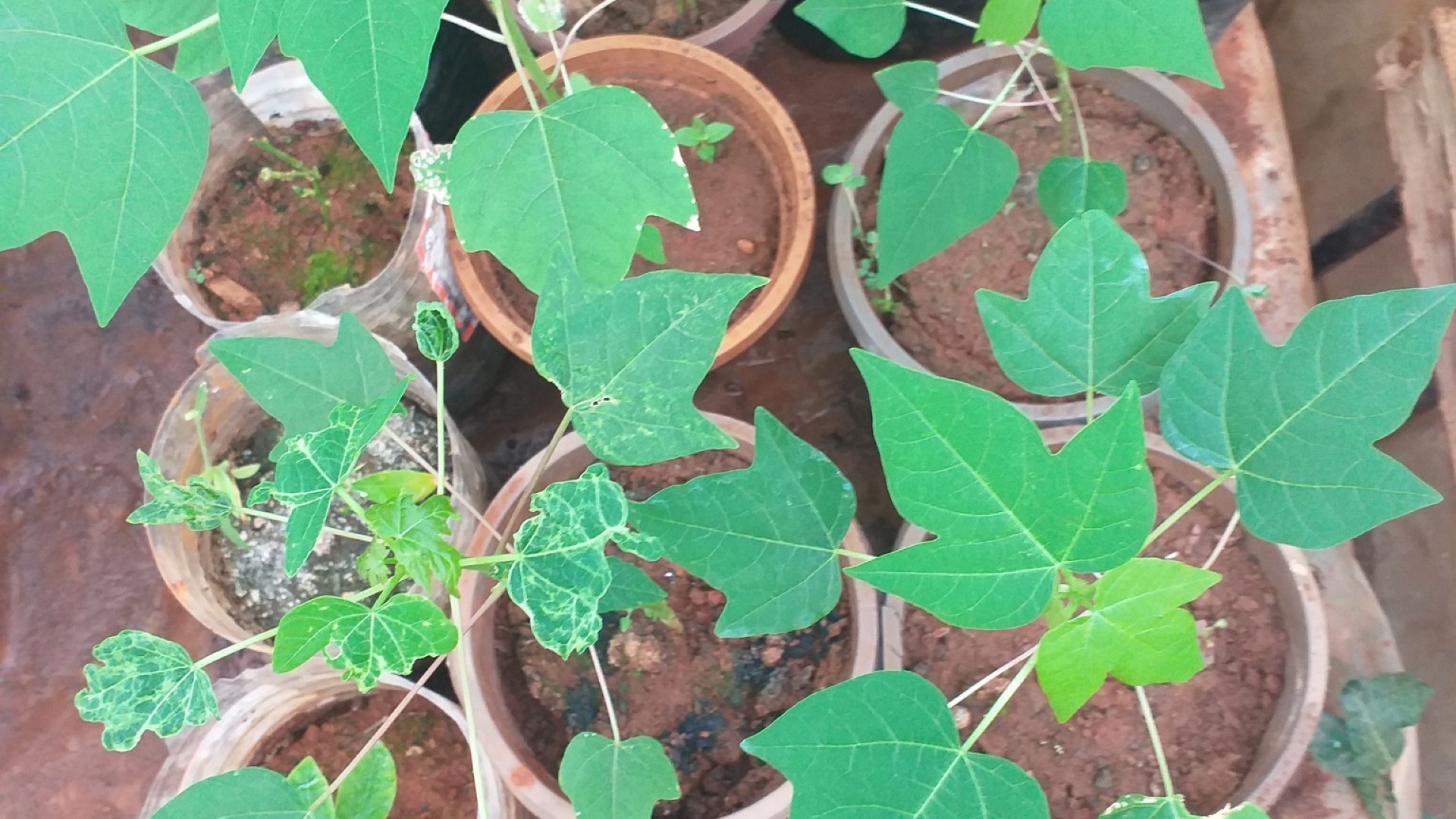
Plantes exotiques
multiplication de quelques plantes exotiques au niveau du siège de l'ANN a cinq maison , parmi celle ci et dans l 'ordre: 1- callistemon citrinus ; 2- papaya carica ; 3- citrus limon (citronier nain) ; 4-argania spinosa ; 5- citrus trifoliata ; 6- dodonea viscosa ; 7- moringa oleifera. les pourcentages de levée ou de réussite varie d'une espèce a l 'autre de 40 a 90 % , a titre d'exemple: callistemon citrinus ......90 % papaya carica .................60 % citrus limon .....................40 %
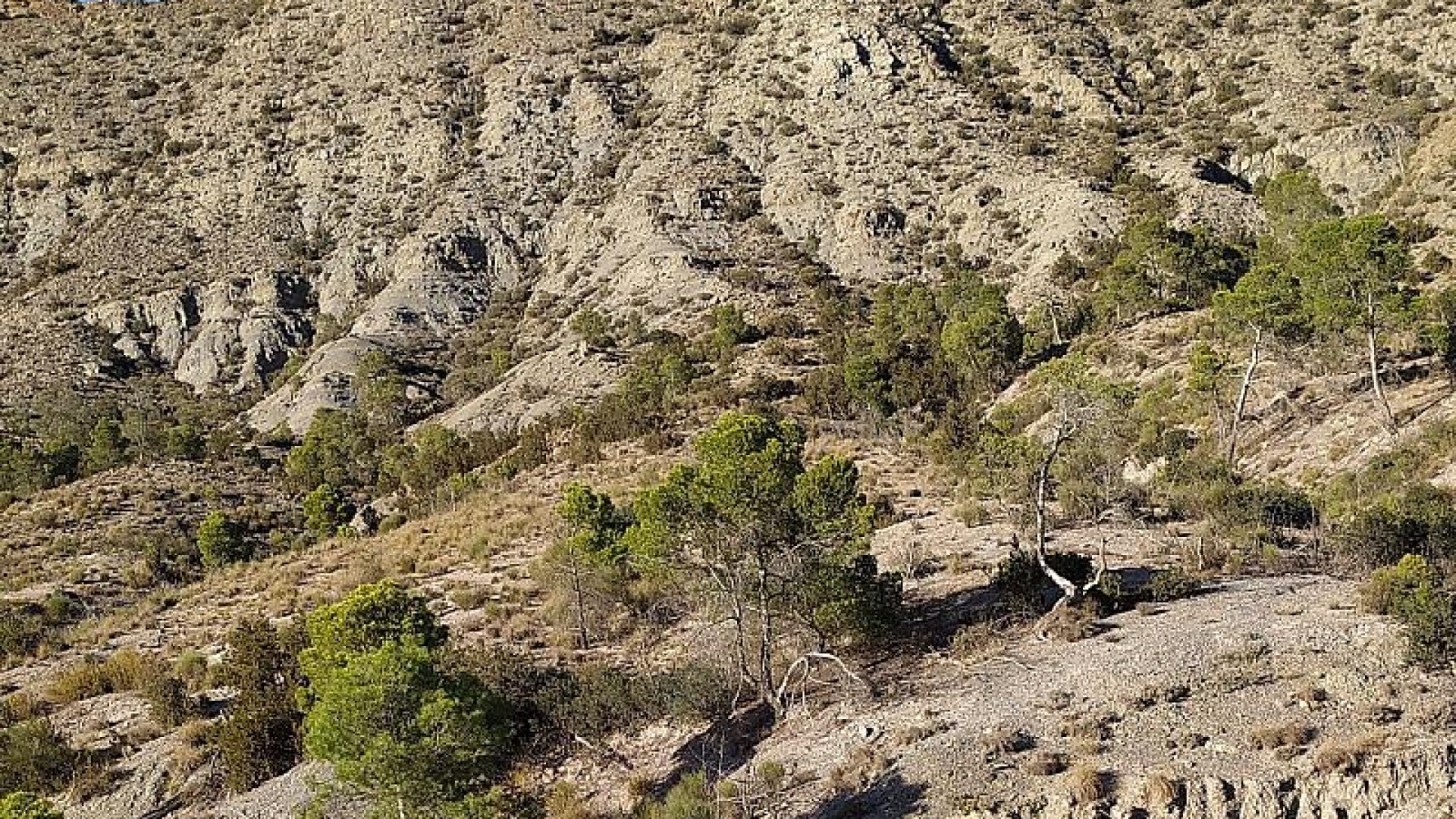
Mobilizing primary biodiversity data for Mozambican species of conservation concern
Mozambique, heavily dependent on natural resources, faces increasing pressure on its biodiversity. This project aims to digitize data on endemic species and create Red Lists to support sustainable decision-making.
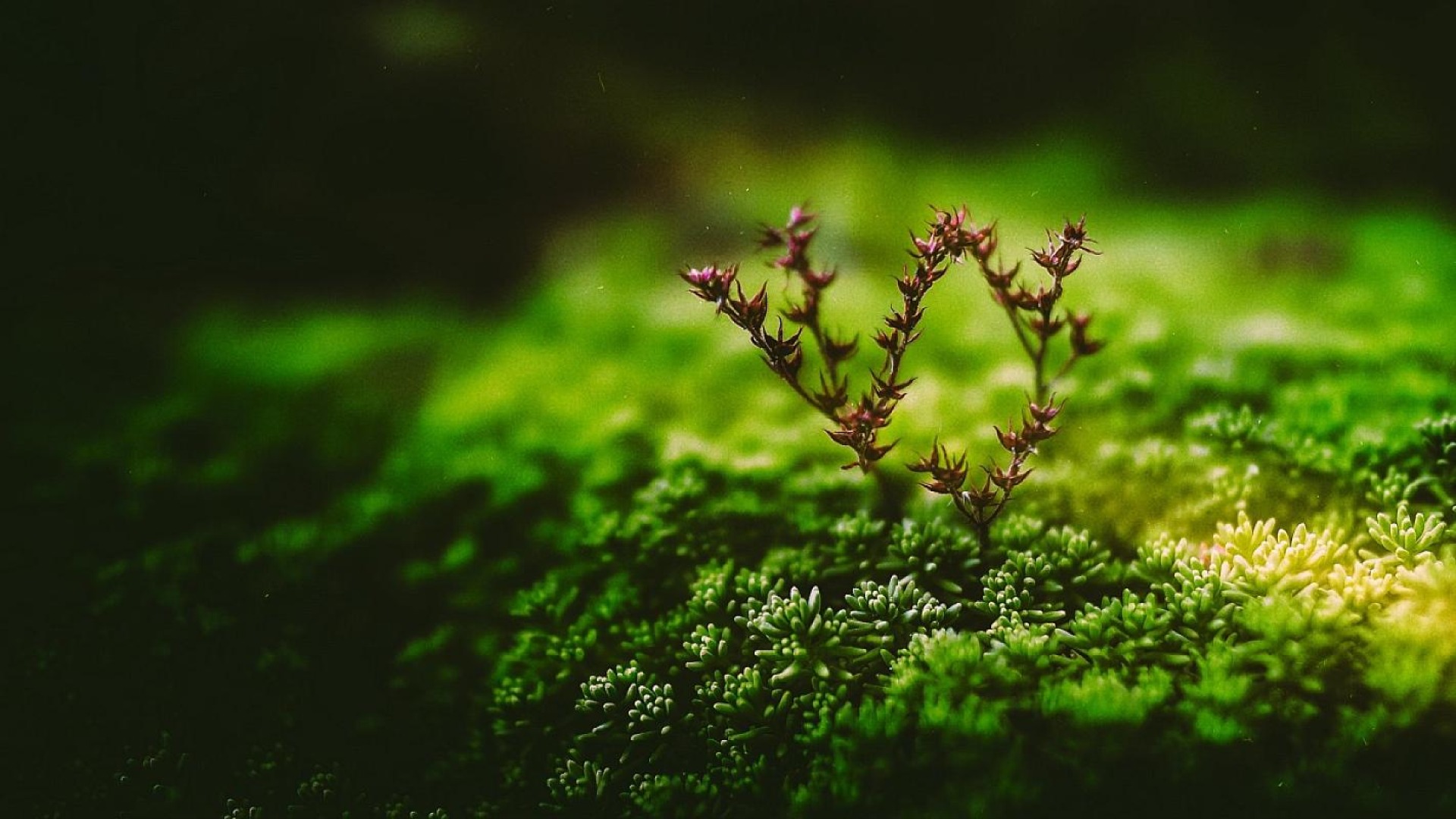
The West African Plants Initiative
The West African Plants (WAP) Initiative addresses the uneven global distribution of biodiversity data, which is often highest in wealthy but less biodiverse regions. By empowering local researchers to access, digitize, and mobilize plant collections, WAP has generated over 190,000 primary biodiversity records across 16 West African countries at minimal cost. This effort has increased the digital knowledge of West African flora by more than 50%, highlighting a model for equitable data sharing and capacity building in biodiversity research worldwide.